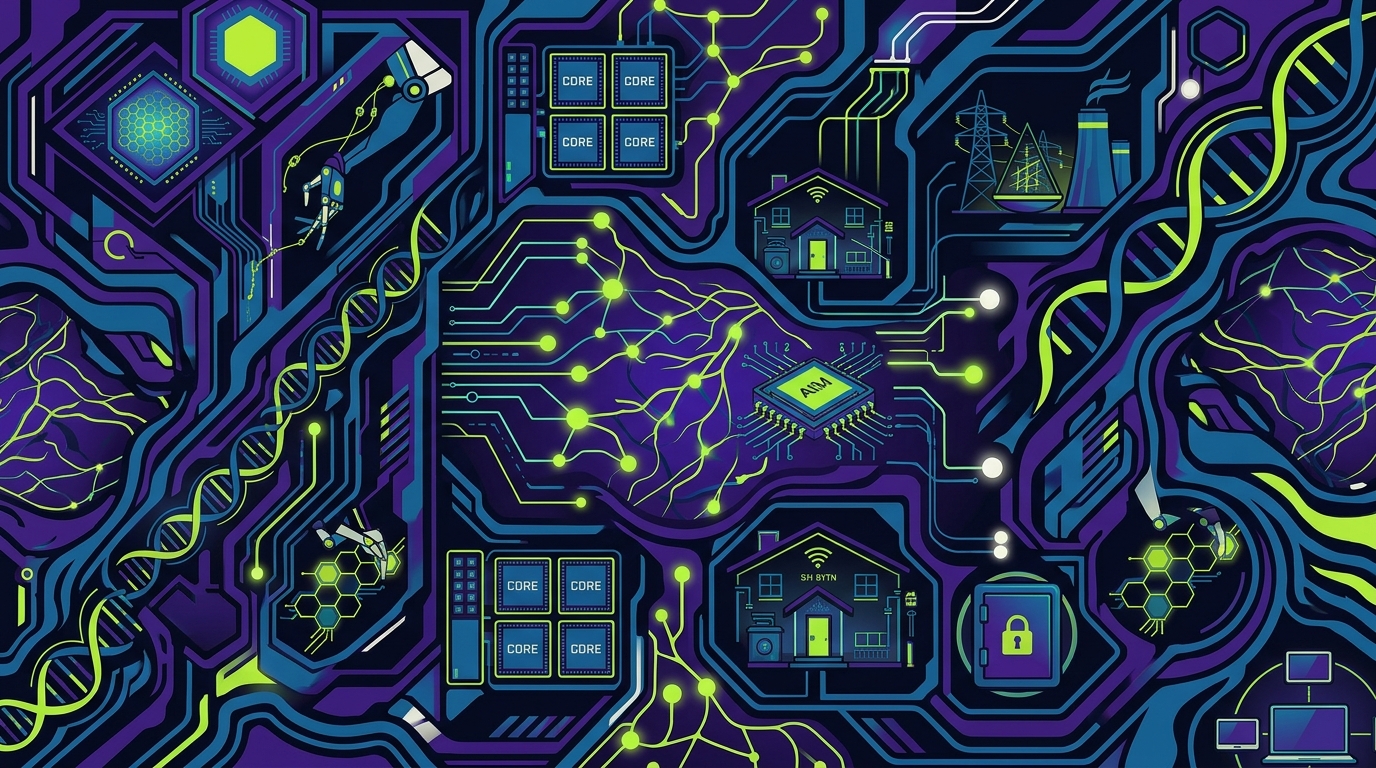
The Deep Tech
Deep Tech refers to radical engineering and scientific breakthroughs—ranging from quantum computing and synthetic biology to autonomous robotics and advanced artificial intelligence—that solve profound, real-world challenges rather than simply iterating on software. Unlike standard consumer apps or digital platforms, these innovations tackle fundamental physical and systemic limits, forming the foundational infrastructure for the next industrial era. Understanding Deep Tech is essential for anyone navigating the modern tech landscape, as it offers a front-row seat to the high-stakes forces reshaping global economics, national security, and the future of human capability.
Hardware of the Pioneers
Long before seamless glass displays and whisper-quiet microprocessors powered our daily lives, computing was a physical, room-spanning endeavor built on sheer engineering grit. In the mid-20th century, pioneers laid the foundation of modern technology using room-sized mainframes like ENIAC, which relied on thousands of glowing, heat-emitting vacuum tubes and miles of hand-soldered wiring. The shift to solid-state transistors at Bell Labs and the subsequent birth of the integrated circuit completely redefined what was possible, turning fragile lab equipment into compact, reliable machinery. Tracing this lineage—from punch-card plugboards and magnetic-core memory to the first single-chip microprocessors like the Intel 4004—reveals how relentless hardware miniaturization transformed sci-fi concepts into the personal devices we rely on today.
Ready to dive deeper into the physical engines of the digital revolution? Explore our Hardware of the Pioneers section to read hands-on teardowns, historical deep dives, and expert analysis on the groundbreaking gear that built the modern world!
Power & Responsibility
Data is no longer just operational leverage—it is a central, highly volatile asset whose mishandling carries severe real-world consequences. When a breach occurs, the fallout extends far beyond temporary IT downtime; with the average incident cost soaring near $5 million, organizations face debilitating operational halts, steep regulatory fines, and a catastrophic loss of consumer trust. Beyond the corporate balance sheet, the true human toll is exacted on everyday users whose stolen credentials fuel identity theft and financial fraud across dark web markets. As threat vectors expand through third-party SaaS and unmonitored AI tools, guarding user data is no longer a passive compliance exercise, but an ethical mandate for any institution wielding digital power. Explore our Power & Responsibility section to dive deeper into privacy policy breakdowns, corporate accountability, and the future of digital defense.